
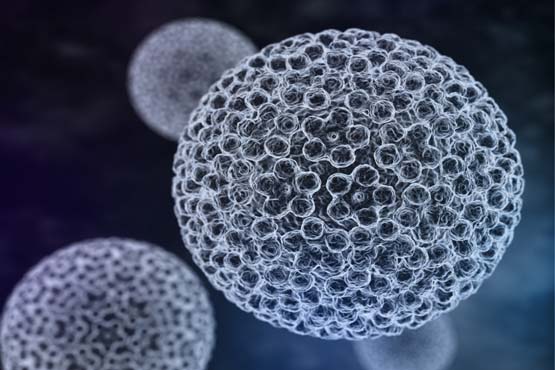
What is HPV?
HPV, short for Human Papilloma Virus, is a highly contagious and insidious microorganism that causes genital warts and cervical cancer. The shortest answer to the question of what is HPV; It is a virus that is mostly transmitted through sexual contact and causes disease. In some cases, it can become chronic and occur repeatedly in cases of reduced immunity.
How HPV Is Transmitted
In recent years, an extremely rapid increase in the frequency of HPV infection has been observed. This rapid increase is due to the fact that the virus can be transmitted very easily. HPV causes genital warts, and genital warts are the most common sexually transmitted disease. A woman has a 75% chance of being infected with HPV in her lifetime.
HPV Symptoms
Most of the infections are asymptomatic or with mild symptoms. When it gives symptoms, it usually gives a wart-like symptom in the genital area. The worst feature of this virus is that it settles in the cervix without showing any symptoms in the form of warts and causes cervical cancer in an insidious way.
With the HPV test PCR method, we can determine whether you carry the HPV virus by taking a smear-shaped swab from the cervix. While detecting the DNA of the virus, we can also determine which type of virus you carry. For example, if you carry Type 6 and Type 11, it will only cause genital warts, the probability of causing cancer is extremely low, but carrying type 16 and type 18 is risky for cervical cancer and unfortunately the most common HPV type is HPV Type 16 with 32%. It follows HPV Type 6 with 17%. The frequency of HPV Type 11 is 9%, and the frequency of HPV Type 18 is 6%.
Relationship between HPV and Cancer
It is known that 5% of all cancers caused by viruses or bacteria in the world are caused by the HPV virus. Although HPV usually causes wart formation within 2-3 months after entering the body, this period may differ from person to person. HPV virus is also called wart virus in daily life. Although warts are most common in the genital area, they can be seen anywhere on the body. Warts seen in the genital area are called genital warts in the medical literature and inguinal warts among the people.
It is estimated that 75% of sexually active women will be infected with the wart virus at some point in their lives, that is, they will have HPV infection. Being infected with the wart virus does not mean that genital or pubic warts will develop. Sometimes HPV infection is passed without warts. The pleasing thing is that 80-90% of HPV is destroyed by the body's defense cells within 1-2 years after entering the body. A very small part of the genital wart virus remains hidden in the body and is activated in cases of weakened immune system and can lead to genital warts and cell proliferation.
Cancer-causing type HPV (such as type 16 and type 18) takes a long time, such as 10-15 years, to form cancer after entering the body. While some types of HPV virus only cause warts, some types cause both genital warts and cancer.
Although HPV types that normally cause warts do not cause cancer, HPV typing should be performed to determine whether HPV is high-risk or low-risk, since there may be a possibility of multiple HPV transmission.
In the samples we received from patients who applied to our center with complaints of inguinal warts and warts in the genital area, we often encounter more than one type of wart virus.
Types of wart virus that cause warts in other parts of the body other than the genital area may give symptoms as inguinal warts by chance. In this case, when we type the wart virus, a different type of wart virus may result from the 40 types that infect the genital area. Types other than the wart virus type that infects the genital area (which results universally) are very unlikely to cause cancer.
What is HPV Test?
It is the HPV DNA PCR test used in the screening of cervical cancers, which are among the most common cancers in women. In order to perform the HPV test, if there are no warts, the test can be done with a swab from the vaginal area. If there is a wart, it should be taken as a biopsy by the specialist doctor, and it is sent to the laboratory by placing a transport tube containing a preservative. If there are no warts in men, HPV DNA test can be done by taking a swab sample from the urethral region with special swaps. If there is a wart, the biopsy is taken by the specialist doctor and put into the protective transport tube and sent to the laboratory.
The sampling time for the HPV DNA test is approximately 2-3 minutes. You can easily return to your daily life after the procedure.
There are about 200 known subtypes of the HPV virus today, and about 40 of them are considered high-risk. The most common high-risk virus types in our country are TYPE16, 18, 31, 33, 35, 39, 45, 51, 52, 54, 56, 58, respectively. When your HPV test is positive, it is the best approach to have a smear test or to examine the cervix with the colposcopy method by your doctor.
You can call our call center at
+355 69 456 4467 for detailed information about HPV DNA test and to make an appointment.
HPV Treatment
Evaporation of HPV wart tissue with fractional carbon dioxide laser is a highly effective, successful and low recurrence treatment option. The effect of laser beams to vaporize tissue with HPV is utilized. Local anesthesia may be required before the procedure. If the genital wart is very common, the procedure can be performed with general anesthesia if there are no suitable conditions for applying local anesthesia. The probability of scarring and skin discoloration is very low. In addition to its advantages, the biggest disadvantage of this method is that the laser device is not available in every clinic due to its high cost.
In our HPV Treatment Center located in Silivri, HPV treatment with laser and genital wart burning operations are performed.
You can call our call center at
+355 69 456 4467 for detailed information about laser genital wart removal and to make an appointment.
This article may also interest you
The vagina and its surroundings may appear in the penile urethra in the form of glove-like fingers in a similar color to the surrounding tissue.
Read more
TR
SQ