
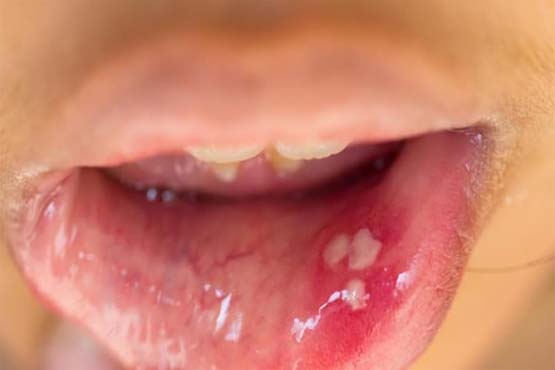
HPV-related lesions inside the mouth are most often seen on the edge and underside of the tongue, the inner cheek mucosa, the palate, the tonsils and the throat area. The lesions can sometimes be painless and difficult to notice.
Oral Wart Treatment
The diagnosis, treatment and follow-up of oral and lip warts fall within the field of an ear, nose and throat (ENT) specialist; oral and lip warts are not treated at our clinic. Treatment is planned by your ENT specialist according to the location and extent of the lesion and the HPV type.
For the early diagnosis and treatment of head and neck cancers, patients should be followed by an ear, nose and throat specialist experienced in head and neck surgery. People who carry the HPV virus in the mouth can transmit the virus from mouth to mouth, from mouth to the genital area and from mouth to the anus.
Why Is Regular Follow-up Important?
HPV infection often runs a silent course. However, some HPV types can cause persistent infection and, over the long term, the risk of dysplasia and cancer may increase; therefore early diagnosis, correct follow-up and appropriate treatment are the main way to prevent complications.
If you think you have warts in your mouth, we recommend seeing an ENT specialist. If you also suspect genital warts or HPV, you can contact us for an examination.


Related Topics