
Can HPV Be Transmitted From a Toilet?
What Are the Real Transmission Routes?
Can HPV Be Transmitted From a Toilet?
One of the most frequently asked questions about the HPV virus is whether it can be transmitted from a toilet, a toilet seat, a door handle or a tap. To speak in the light of scientific data, HPV is mainly a virus that is transmitted through skin contact.
The virus spreads as a result of direct contact between infected skin or mucosa and an uninfected area. It can be transmitted from a person who has a wart in the genital area, in the mouth or on the skin. In fact, transmission is possible even when there is no visible wart.
TOPICS
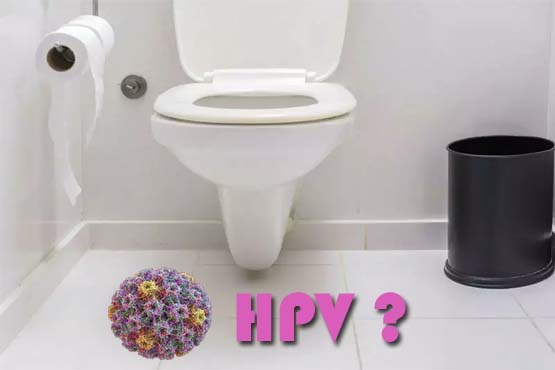
Can HPV Be Transmitted From Hard Surfaces?
The likelihood of HPV being transmitted via hard surfaces such as a toilet seat, a door handle or a tap is quite low. HPV is not a virus that is resistant to environmental conditions, and it cannot survive on surfaces for long.
For this reason, daily social contact, shared toilet use or being in the same environment is not a typical route for HPV transmission.
Can Genital HPV Be Transmitted by Non-Sexual Routes?
Whether genital HPV can be transmitted by non-sexual routes is a debated topic in the literature. Some studies conducted on sexually inexperienced young women have shown that non-sexual transmission is rare but possible.
Possible non-sexual transmission routes may include:
- Vertical transmission (from mother to baby during birth)
- Fomites (contaminated objects)
- Close skin contact
However, these routes occur at a much lower rate compared to transmission through sexual contact.
How Is HPV Most Commonly Transmitted?
The most common route of HPV transmission is genital skin contact. Even without full penetration, contact between the genital areas can be enough for transmission. Condom use reduces the risk but does not eliminate it completely.
HPV is not a virus that is easily transmitted in daily life through a door handle, a toilet seat or social contact. The most important route of transmission is skin contact.
What Should Be Done to Protect Against HPV?
- Getting the HPV vaccine
- Having regular smear and HPV tests
- Keeping the immune system strong
- Not smoking
Dr. Eser Agar – Tirana, Albania
You can contact our clinic for a detailed assessment of HPV transmission routes, testing and treatment options.
- 📞 Phone: +355 69 836 15 65
- 📱 WhatsApp: +355 69 456 44 67
Frequently Asked Questions
Can HPV be transmitted from a toilet?
The likelihood of HPV being transmitted from hard surfaces such as a toilet, a toilet seat or a door handle is quite low. The virus is mainly transmitted as a result of direct contact with infected skin.
Can HPV be transmitted from a door handle or a tap?
HPV is not a virus that can survive for long on environmental surfaces. For this reason, transmission from hard surfaces such as a door handle or a tap is rare.
Can HPV be transmitted by non-sexual routes?
Non-sexual transmission is rare but possible. In the literature, vertical transmission, close skin contact and, rarely, transmission via fomites are reported.
How is HPV most commonly transmitted?
HPV is most commonly transmitted through genital skin contact. Even without full sexual intercourse, contact between the genital areas can be enough for transmission.
Medically reviewed: Asst. Prof. Eser Ağar, MD —


Related Topics