




HPV (Human Papillomavirus) is a group of viruses that can be transmitted through contact. Sexual contact is the most common route of transmission in the genital area. Because it can progress without symptoms in many people and remain contagious, it is very common in society.
HPV is most commonly transmitted through sexual contact. Full intercourse is not required; it can also be transmitted through genital-genital, genital-anal and genital-oral contact. A condom reduces the risk but does not eliminate it, because it does not completely cover the contacting areas of the skin.
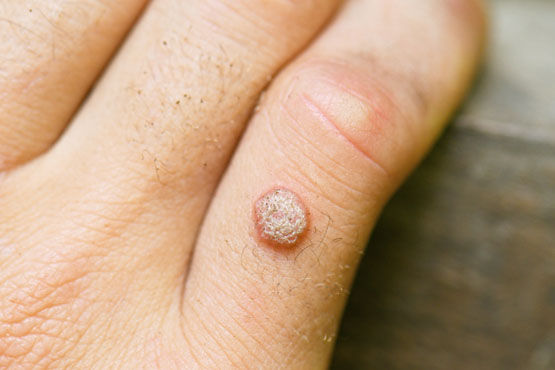
Genital warts are contagious lesions caused by some types of HPV. The aim of treatment is to safely clear the visible lesions, reduce the surface viral load, reduce spread and partner transmission, and improve the patient's quality of life.
The course of HPV varies from person to person. The immune system can suppress the virus and tests can become negative over time. However, in some people the virus can remain active or be reactivated; for this reason, follow-up, risk classification and the right treatment strategy are important.
The HPV DNA test shows the presence of the virus (and in most panels its type/risk group). The smear, on the other hand, screens for HPV-related cellular changes in the cervical cells. The two give different information, and when used together they strengthen risk management.
Some HPV types are low-risk and are more associated with warts; others are high-risk and can be associated with precancerous changes (CIN) in the cervix. Risk assessment is made by interpreting the test panel and clinical findings together.
The next step is determined according to the HPV type/risk group, smear result, age, immune status and examination findings. While observation is sufficient in some cases, colposcopy may be needed in others. Personalized planning is essential.
Colposcopy is the magnified assessment of the cervix. If a suspicious area is seen, a small biopsy can be taken. The procedure takes a short time; there may be mild cramping and spotting. A biopsy supports the right diagnosis and the right treatment decision.
By targeting the lesion in a controlled and precise way, the laser helps protect the surrounding healthy tissue. Especially in numerous, widespread or lesions in sensitive areas, it provides a practical advantage in terms of depth control and clearance area.
In the case of a genital wart or suspected HPV, assessment of the partner is often important. The aim is to detect the presence of simultaneous lesions, reduce the transmission cycle and provide couple-based risk management.